
Drone Maintenance: Proactive vs Reactive – Protecting Your Investment in the Air
DroneWhether you’re flying commercially or recreationally, drone maintenance isn’t just a box-ticking exercise — it’s what keeps you safe, compliant and operational.
At Buzz Drones, we see it all the time: incredible aircraft grounded for issues that could have been avoided with a simple inspection or scheduled replacement. On the flip side, we also see pilots flying beyond sensible component life, increasing risk unnecessarily.
This guide breaks down the two core types of drone maintenance:
Proactive (Scheduled) Maintenance
Reactive (Corrective) Maintenance
Both matter. Both have their place. And understanding the difference protects your aircraft, your reputation, and your wallet.
Why Drone Maintenance Matters (Commercial & Recreational)
Modern drones — especially platforms like the DJI enterprise range — are sophisticated pieces of aviation technology. They’re exposed to:
Wind loading
Vibration
Moisture
Temperature variation
Transport stress
Firmware and software dependencies
For commercial operators, poor maintenance can mean:
Lost contracts
Safety incidents
Insurance issues
CAA scrutiny
For recreational pilots, it can mean:
Avoidable crashes
Expensive replacements
Loss of aircraft mid-flight
Drone maintenance isn’t about paranoia. It’s about professionalism.
Learn more about our commercial drone services here: Buzz Drones’ Services
Proactive Drone Maintenance (Scheduled Maintenance)
Proactive maintenance is planned. It’s controlled. It’s deliberate.
It means replacing or servicing components before they fail — based on flight hours, charge cycles, or manufacturer guidance.
This is where most serious operators separate themselves from hobby flying.
1. Battery Management & Replacement
Drone batteries are consumables. They degrade over time — even if treated well.
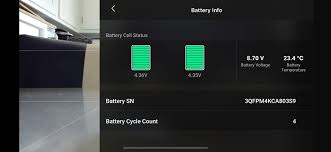
For enterprise and commercial operators, battery monitoring should include:
Tracking charge cycles
Monitoring internal cell deviation
Checking swelling or casing damage
Recording flight hours
At certain thresholds, batteries should be retired from primary operations.
Not because they’ve failed — but because you don’t wait for them to.
That’s proactive maintenance.
2. Propeller Replacement Intervals
Propellers endure constant stress:
Micro-fractures from vibration
Edge wear from debris
Structural fatigue from repeated load
Even if they “look fine”, hours flown matter.
Replacing propellers at scheduled intervals is inexpensive insurance compared to an in-flight failure.
For commercial operators especially, documenting propeller replacement intervals demonstrates operational discipline.
3. Firmware & System Checks
Drone maintenance isn’t only physical.
Scheduled checks should include:
Firmware updates (aircraft, controller, batteries)
IMU and compass calibration (when required)
Gimbal inspection
Sensor cleaning
Obstacle avoidance system testing
This ensures systems are aligned and operating within manufacturer tolerances.
DJI official maintenance guidance: DJI Maintenance Guidance
4. Log Keeping & Airframe Hours
Commercial operators should log:
Total airframe hours
Battery cycles
Incident reports
Environmental exposure (rain, dust, coastal flying)
Tracking usage allows intelligent maintenance decisions instead of guesswork.

Reactive Drone Maintenance (Corrective Maintenance)
Reactive maintenance happens after something goes wrong — or when wear is identified unexpectedly.
It’s unavoidable at times. The key is handling it properly.
Common Reactive Maintenance Scenarios
Hard landings
Prop strikes
Gimbal overload errors
Motor imbalance warnings
Water ingress
Firmware corruption
ESC or power system faults
When an issue is identified, grounding the aircraft is the responsible choice — especially for commercial work.
There’s no contract worth risking a failure in the air.
Manufacturer-Authorised Repairs (Peace of Mind Matters)
For anything structural, electrical, or internal, authorised repair centres should be used.
At Buzz Drones, we use HeliGuy for official DJI maintenance and repairs. As an authorised DJI centre in the UK, this provides reassurance that:
Genuine DJI parts are used
Repairs meet manufacturer standards
Warranty considerations are protected
Documentation is properly recorded
For commercial operators especially, that traceability matters.
Commercial vs Recreational Maintenance – Is There a Difference?
The principles are identical.
The difference lies in accountability and exposure.
Commercial operators:
Carry higher liability
Fly more frequently
Operate in varied environments
Rely on aircraft for revenue
Recreational pilots:
May fly less frequently
Often store drones longer between flights
Sometimes overlook battery degradation
Both benefit from proactive maintenance. The scale may differ — but the mindset shouldn’t.
Signs Your Drone May Need Attention
If you notice any of the following, consider grounding and inspecting:
Increased vibration
Shortened flight time
Random warnings
Motor noise changes
Gimbal jitter
Battery imbalance alerts
Ignoring early signs turns small fixes into expensive repairs.
Building a Professional Drone Maintenance Routine
You don’t need to overcomplicate it.
A solid routine includes:
Before Every Flight
Visual inspection
Prop check
Battery health check
Firmware confirmation
Monthly (or Based on Flight Hours)
Detailed airframe inspection
Motor check
Sensor clean
Data log review
Scheduled Intervals
Propeller replacement
Battery retirement
Professional servicing, if required
Maintenance doesn’t need to be dramatic. It just needs to be consistent.
Final Thoughts: Protect the Aircraft That Protects Your Work
Drone maintenance isn’t about being overly cautious.
It’s about respecting the aircraft.
Proactive maintenance prevents incidents.
Reactive maintenance resolves the unavoidable.
Both are part of responsible drone ownership.
Whether you fly commercially or recreationally, the goal is the same:
Keep it safe, reliable and more importantly.. Keep it airborne.
Should you have any questions, please do not hesitate to contact us, our team will be more than happy to help.




Leave a Reply
Want to join the discussion?Feel free to contribute!